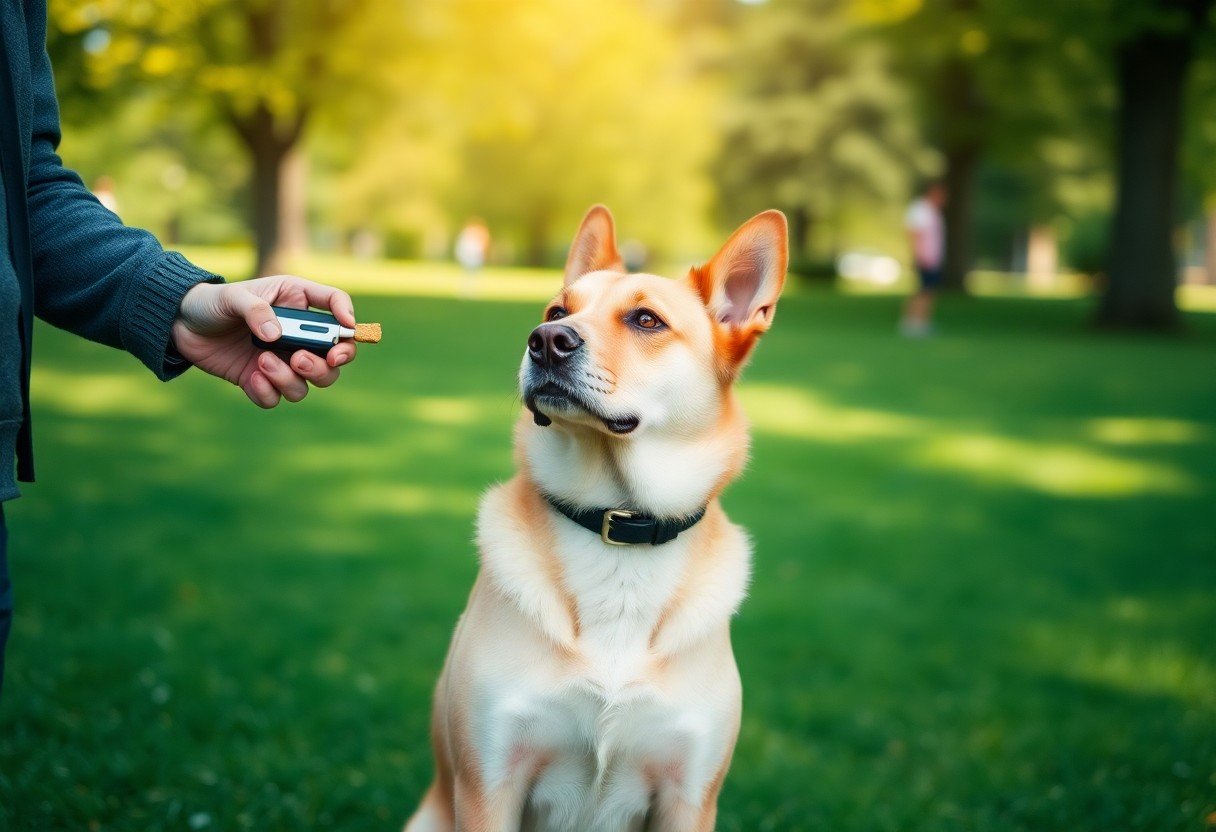
Just over half of dogs show boredom signs like chewing, pacing or sudden barking – and if your pup’s acting up it’s not spite, it’s brain hunger. You can stop damage and stress with simple fixes: more sniffing walks, puzzle toys, and short training bursts, and you’ll see quick wins. Wondering where to start? Try hiding kibble in a treat toy, teach one new trick a day, or play nose-work games.
If you don’t act your dog’s stress can turn into real behaviour problems.

Key Takeaways:
- How do you even know your dog is bored? They’ll chew, pace, beg for attention, or get into mischief – they’re telling you something’s missing. Try treating misbehavior like a clue, not just a nuisance.
They need brainwork as much as exercise. - Want a simple trick that actually works? Make them work for their food – puzzle feeders, hiding kibble around the house, or making them sit before meals turns eating into training.
It’s cheap, easy, and your sofa might thank you. - Could a walk be more than just exercise? Let your pup sniff and explore – sniffing = mental stimulation, pure and simple.
Let them nose around. It wears them out in a totally different way. - Looking for toys that do the heavy lifting for you? Puzzle toys and food-dispensing gadgets keep curious dogs busy and thinking.
Who doesn’t love a toy that pays off with treats? - Want to up the challenge and your bond at the same time? Teach new tricks, name toys, or shape behaviors with tiny rewards – it’s bonding time and brain training rolled into one.
Small wins add up fast. - How about games that use their natural talents? Nose work, the shell game, scent trails – these tap into instincts and tire them out mentally, not just physically.
Mental fatigue = better behavior. - Ready to get creative at home? Build obstacle courses, play interactive fetch or tug, and rotate activities so things don’t get stale.
Mix it up, keep it fun, and your dog’ll be less likely to default to trouble.
ALSO READ: Simple Ways to Get Your Dog to Pay Attention
Is Your Dog Actually Bored? Let’s Find Out
Recently there’s been a shift toward interactive toys and nose work classes, and that matters because boredom looks different than you think. Scan for three quick checks: is your dog repeating behaviors, losing interest in food, or suddenly destructive? If you catch persistent pacing or chewing, that’s not just naughty-it’s a sign they’re under-stimulated. You can run a 10-minute puzzle or a short sniff-walk and usually tell within a day whether engagement levels rise or not.
Signs Your Pup Might Be Zoning Out
Sometimes it’s subtle – staring at walls, circling the same spot, or endlessly pawing you for attention; other times it’s obvious: persistent barking or chewing furniture and shoes. You’ll also see repetitive licking, over-grooming, or suddenly picking fights with the other dog. Try a 5-minute shell game or hide a few kibbles; if they ignore play and keep repeating the same behavior, boredom is a likely culprit.
The Importance of Keeping Their Minds Active
With puzzle feeders and scent work trending, you should be using mental exercise as daily maintenance – not a luxury. Short, focused sessions (think 10-15 minutes) of nose work, toy-name training or a food-dispensing puzzle often reduce hyperactivity and anxiety better than marathon fetch sessions. Want a calmer, more responsive dog? Make their brain work part of every day and watch behavior improve.
Start small: hide kibble in 3-5 spots, play the shell game with three cups, teach two toy names, or do a 10-minute shaping drill. Rotate activities so novelty stays high. Supervise obstacle practice and avoid unsafe jumps; unsupervised obstacle courses can cause injury. Consistency beats intensity – daily little doses of challenge will prevent the big headaches (destroyed pillows, vet trips) down the line.
Why Making Them Work for Food Is Genius
You pour kibble and they inhale it in ten seconds, then start pestering the couch. Making your dog work for food taps natural foraging instincts and gives real mental exercise; for example, hiding 20-30% of a meal around the house or asking for three tricks before the bowl can turn a 1-minute meal into a 10-20 minute brain workout. Mental stimulation reduces boredom-driven chewing and slows eating, which helps digestion and lowers the risk of gulping-related issues.
Simple Ways to Spice Up Mealtime
Try a muffin tin with tennis balls over kibble, a folded towel with treats tucked inside, or scatter 10-30 pieces on the lawn for a quick nose work session. You can also replace one bowl-per-day with a short scavenger hunt or mix 50% of the meal into a snuffle mat. And yes, start easy – 3-5 minute hunts at first, then lengthen to 15-20 minutes as they get better.
Fun Puzzle Feeders to Challenge Them
Pick feeders by chewing level and size – Kong Classic for stuffing and freezing, Nina Ottosson puzzles for step-based challenges, LickiMat for licking calm-downs, and Bob-A-Lot for wobble-dispense play. These toys often keep dogs busy 10-30 minutes and build problem-solving skills. Supervise strong chewers and avoid toys with small detachable parts that can be swallowed.
Fill Kongs with plain yogurt, mashed banana, or peanut butter that’s xylitol-free, then freeze 1-2 hours to extend engagement; use dry kibble in rotating puzzle levels so they don’t learn shortcuts too fast. Start on easy settings, reward quick wins, then bump difficulty over 1-2 weeks. Clean parts after each use to prevent mold, and if your dog crushes hard plastic in under a minute, switch to heavy-duty options or supervised sessions to avoid ingestion hazards.
Let ‘Em Sniff! Here’s Why It Matters
The other morning your neighbor’s beagle spent nine focused minutes on one curb and came back calmer than when it left. That’s sniffing in action: dogs have about 300 million olfactory receptors vs your roughly 6 million, and an olfactory bulb roughly 40 times larger relative to brain size, so letting them investigate turns a walk into intense brain work. Give them those pauses and you’ll cut boredom, lower stress and see better leash manners fast.
The Hidden Benefits of Sniffing on Walks
When you let your dog nose around, you get quick wins: mental stimulation, reduced anxiety, and fewer lunging pulls. Many trainers schedule 2-4 sniff breaks in a 20-minute walk to tap into that focus. Sniffing builds scent discrimination and working memory-the very skills detection dogs use-so it’s real cognitive work, not dawdling. Watch for discarded food or poisoned baits while they explore.
Discovering Smells Together-Bonding Time!
You can turn sniffing into a cooperative ritual – like that sock-hunt where your dog played detective and you both laughed. Let them lead, use a cue such as “find”, mark discoveries with a tiny treat and praise; that shared success builds trust fast. Bonding happens in these sniff-led moments, because you’re following their story, not dragging them through yours.
Try this: include 3-5 short sniff stops (1-3 minutes each) per walk, say “find” to set the game, and reward with 1-2 kibble pieces when they locate something interesting. At home play the shell game or lay a simple scent trail with an orange peel or cloth for 5-10 minute nose-work sessions-trainers use those to mentally tire dogs.
Always supervise sniffing to prevent ingestion of toxic items like chocolate, grapes or discarded baits.
Got Toys? Teach Your Dog Their Names!
Your dog can learn toy names-and doing it now gives them real mental work. Start with 2-3 toys that look and feel different, run short 3-5 minute sessions, and reward every correct choice with a tiny high-value treat. Say the name clearly, offer the toy, then reward instantly; after about 5-10 reps you should see clear association. Keep it playful so training feels like a game, not a chore.

How Learning Names Can Boost Their Brainpower
Teaching names trains attention, memory and object discrimination-skills dogs use in real-world problem solving. Chaser the border collie learned over 1,000 words, but even teaching 10-20 names significantly increases mental load and reduces boredom-driven chewing or barking. Plus, asking for a named toy creates purposeful, tiring cognitive work that helps your dog settle mentally after play.
Easy Tricks to Get Started
Pick three toys with distinct textures/colors. Think your dog can’t learn names? Show one toy, say its name once, then reward the instant your dog sniffs or picks it up. Repeat 5-10 times, do three short sessions a day, then test by lining the toys and asking for one by name. Use high-value treats, keep your cue consistent, and stop before they lose interest.
Progress slowly: add a new toy only after 70-80% success, introduce distance and mild distractions, and switch from treats to praise or play as the reward. Use errorless learning-guide the correct choice early-then fade help. If training stalls, drop back to two toys for a few sessions. You can also hide a treat in a Dogsee Play Treatoy to reward sustained effort during longer practice.
Mix It Up with Nose Work Games
Fun Ways to Train Their Sense of Smell
Surprisingly, teaching scent discrimination is simple and wildly effective: start by hiding 3 treats at nose-level around one room, then up the challenge to 5-7 hides or use a scented cloth for a trail. Use boxes, cups, and the Dogsee Play Treatoy to vary difficulty, and keep sessions short – 5-10 minutes – so your dog stays engaged.
Use only safe treats (no chocolate, grapes or raisins) and supervise every game.
Engaging Games That Tire Them Out
Believe it or not, mental sniff-work can exhaust a dog faster than a 20-minute jog; try the shell game, multi-box searches, and 15-30 meter scent trails in the yard to ramp intensity. Mix easy wins with a couple of tough hides so they get rewarded but stay challenged.
Stop or simplify the task if your dog shows stress – panting, whining, or loss of focus.
Here’s a sample 12-minute session: 1) two-minute free sniff warm-up, 2) three one-treat hides (easy), 3) one scent-trail to a hidden toy (harder), 4) one box-search with 4 cups. Repeat 2-3 times a day or swap rooms. Vary reward size – tiny kibble for pattern work, high-value chew for the finish.
Avoid tiny choking hazards and always watch body language so play stays fun.
The Shell Game – Trust Me, It’s So Much Fun!
Because you want to replace chewing and chaos with focused fun, the shell game gives quick mental wins in just 5-10 minute bursts. Use three opaque cups and one small treat, hide it while they watch, mix slowly then let them sniff and choose. Do 5-8 rounds, praise loud and fast when they get it right, and if they succeed twice in a row, step it up. Always supervise and use a high-value treat so the task stays rewarding.
How to Play and Keep Them Engaged
Because pacing makes or breaks engagement, start painfully simple so your dog stays curious not frustrated. Show the treat, place it under one of three cups, shuffle 2-4 times and give them 20-30 seconds to nose the right cup; reward instantly when they pick it. Keep sessions to 5-10 minutes, 2-3 times a day, and quit while they’re still having fun. Want them hooked? End on a win every time.
Making It More Challenging
Because progression teaches real problem-solving, raise difficulty slowly: add cups (4-6), speed up shuffles, or insert a 5-30 second delay before they search. Toss in mild distractions like low background noise or use scent-free decoy treats under other cups to force better discrimination. Only advance when they succeed consistently-rushing just leads to frustration. Don’t rush increases.
Because dogs learn by small steps, use a plan: increase complexity every 2-3 successful sessions, swap rooms and cup types, and vary treat placement so they can’t guess patterns. Track success rates-if it dips below 50% go back a step; above 70%? bump it up. Just 10 minutes a day with this progression often shows noticeable focus and patience gains within a week.
Summing up
Upon reflecting, like a bored kid left with toys but no guidance, your dog will act out when your pup’s brain isn’t challenged. You can change that with sniff-heavy walks, puzzle toys, quick training bursts and nose-work games – small fixes, big payoff. Want proof? Try one thing today and watch behavior shift, you’ll notice focus, less chewing, more chill… It’s simple, doable, and totally in your hands.
FAQ
Q: How can I tell if my dog is bored or just tired?
A: Weirdly, a bored dog can look a lot like a lazy one – they’ll nap, sure, but it’s the restless bursts that give them away. One minute they’re zoned out, the next they’re shredding a pillow or barking at nothing, or insisting you throw the same toy for the hundredth time.
Watch for repetitive behaviors – pacing, chewing things they shouldn’t, or excessive licking. Those are boredom-answers, not fatigue.
Also pay attention to interest level: if treats, walks, or play suddenly get a shrug, boredom might be creeping in.
Q: My dog destroys things when I’m not home – is that boredom or separation anxiety?
A: Surprisingly, the line is blurry – boredom and separation stress can look almost identical, but the timing and intensity tell the story. If your pup only misbehaves when you’re gone and seems panicked at your departures, anxiety is likely. If it’s more like low-level mischief all the time, boredom’s probably the culprit.
Try leaving a puzzle toy or snack-dispensing feeder; if that cuts down the damage it’s likely boredom. If they howl, pant, or try to escape, get help for separation issues.
Q: What are quick things I can do right now to beat dog boredom?
A: You can actually make a dent in five minutes – toss kibble into a snuffle mat, hide treats around a room, or play a 2-minute scent game. They use their brain hard sniffing – it tires them out better than you might expect.
Rotate toys so everything feels new, and make walks sniff-heavy not just step-heavy. Little changes, big payoff.
Q: Are puzzle toys worth the hype or just another pet store fad?
A: Counterintuitively, some dogs prefer the brain-work to raw play – a good puzzle toy can engage them for ages and actually calm them down afterward. Not all toys are created equal though, so match difficulty to their skill level or they’ll get bored or frustrated.
Mix food-dispensing toys with interactive play – that combo is gold. And yeah, you gotta supervise new toys until you know they won’t chew them to bits.
Q: Can training be used as mental exercise, or is it just for obedience?
A: Training is one of the best brain workouts out there, and it’s not just about sit-and-stay, it’s about making them think and improvise. Teaching toy names, scent work, or shaping behaviors forces decision-making – which tires them out mentally in a way walks sometimes don’t.
Short, frequent sessions win here – ten minutes several times a day beats one hour once a week.
Q: My pup is older – do these brain games still help or could they be stressful?
A: Surprisingly, older dogs often love brain games because those tap into their experience, not just raw energy, and they can improve focus and mood. Keep tasks gentle and reward-based, and dial difficulty down if they seem confused or frustrated.
Simple scent games, slow puzzle feeders, and gentle shaping exercises are perfect – they stimulate without wearing the joints out.
Q: How long until I see changes if I start mental stimulation routines?
A: You’ll often notice small improvements in days – less random chewing, calmer naps, better focus – but full behavior shifts can take weeks depending on how ingrained the issue is. Consistency matters way more than intensity; do a little every day and you’ll chip away at boredom habits.
Small wins add up fast.

Related Posts